For many musical instruments, music is represented by notes on lines. These lines are usually in rows of 5. How we read or interpret the notes depends on the sign, or the clef, that is in the beginning of these lines groups. Here are some common examples:
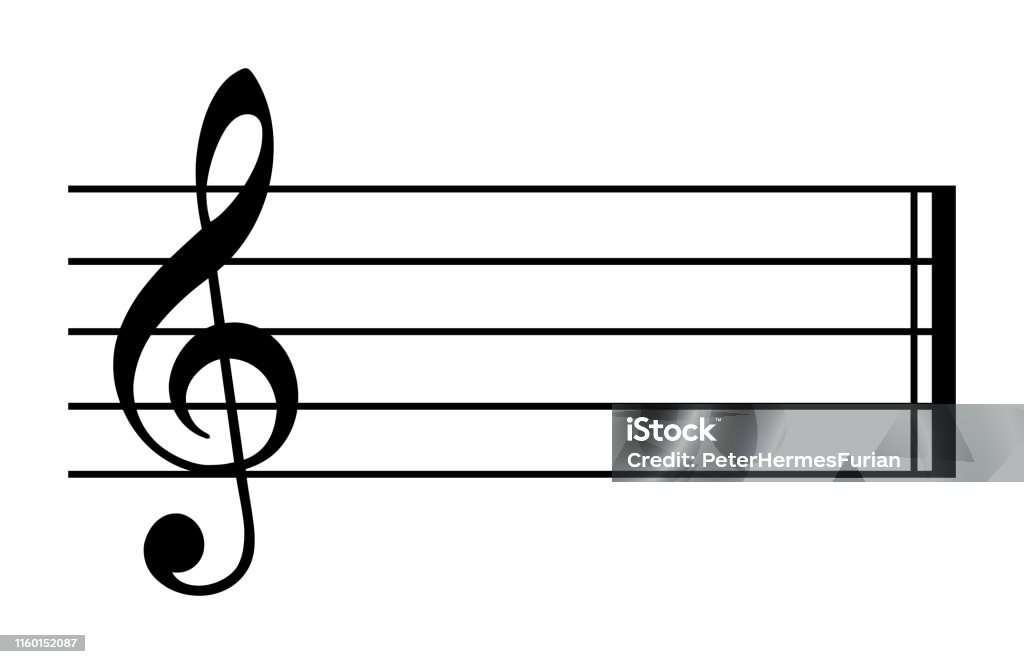
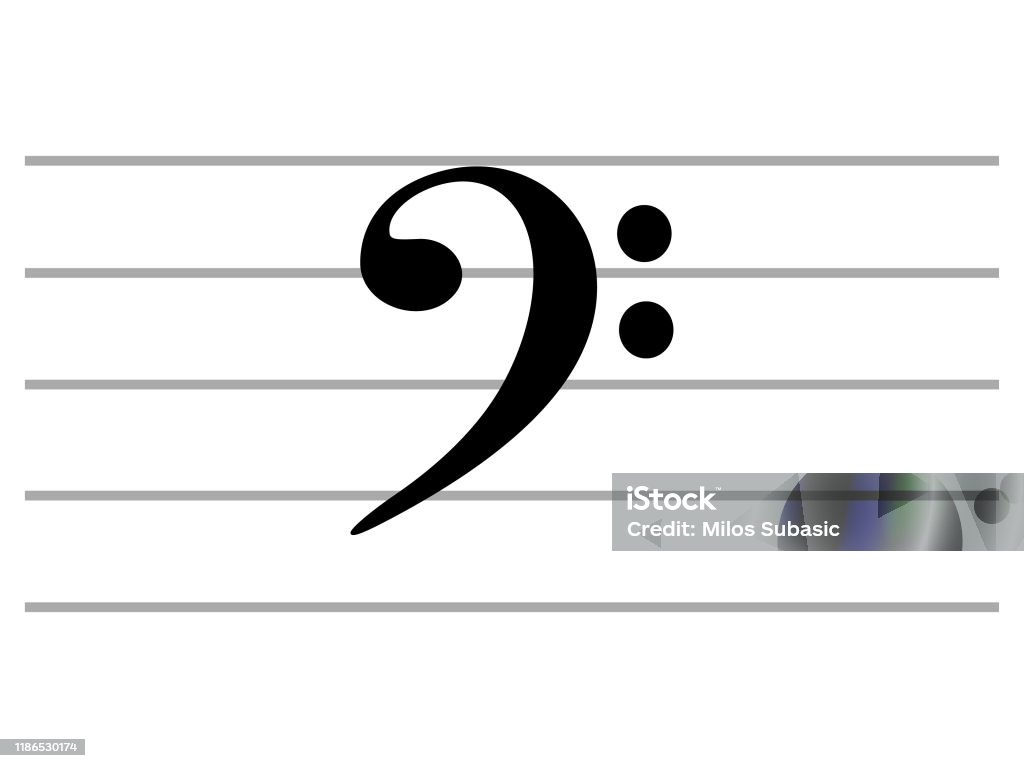
The first clef is what we call a treble clef. The second is what we call a bass clef. Actually, there are a few different clefs we can run into:
Different instruments use different clefs for their sheet music. Here's a table of the common instruments and their clefs. Some instruments use more than one clef: one for their higher register and the other for their lower register.
| Treble | Bass | Alto | Tenor |
|---|---|---|---|
| Piano | Piano | Viola | Bassoon |
| Flute | Cello | Mandolin | Double Bass |
| Clarinet | Bass Guitar | Alto Trombone | Cello |
| Trumpet | Tuba | Viola da Gamba | Euphonium |
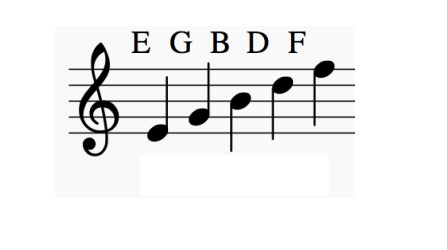
The treble clef is probably the most common clefs for sheet music, so that seems like a good place to start! Let's start with the lines. Starting from the bottom line, it can be handy to remember this ubiquitous saying:
To visualize, here's a little diagram:
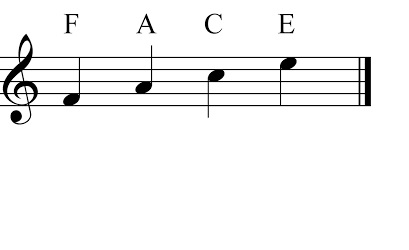
Now, let's move onto the spaces. Again starting from the bottom, remember this word:
Here's a diagram for notes that land on spaces:
Don't worry if it takes some time to read the notes at first. It's like learning a new language. The more you practice it, the more fluent you will become.
To help you with the process, try following these steps:
Once you have the basic building blocks, you can play around and start to explore different note combinations and melodies. In fact, that's how I started to get into composing. I usually start composing my songs with a simply treble clef melody. Here's an example of a semi-finished product!
Have questions? Want to learn more? Just want to say hi? Fill out the form below!